


Buying your first RV is exciting, but it can also feel overwhelming. With so many models, sizes, and features available, it’s natural to wonder: what type of RVs should I buy? The answer depends on how you plan to travel, who you’ll travel with, and what kind of camping experience you’re looking for.
Whether you’re dreaming of weekend getaways, cross-country road trips, or full-time RV living, understanding the different type of RVs can help you make a confident decision. In this guide, we’ll break down the main recreational vehicle types, their pros and cons, and who they’re best suited for.
What Type of RVs Are There?
Before shopping, it’s important to understand what type of RVs are there. RVs generally fall into two main categories: motorized RVs and towable RVs.
Each category offers several options designed to fit different budgets, travel styles, and experience levels.
Motorized RVs
Motorized RVs combine your vehicle and living space into one unit. You simply start the engine and hit the road.
The three primary classes include:
- Class A motorhomes
- Class B camper vans
- Class C motorhomes
Towable RVs
Towable RVs require another vehicle to pull them, such as a pickup truck or SUV.
Popular towable RV cars include:
- Travel trailers
- Fifth-wheel trailers
- Pop-up campers
- Teardrop trailers
- Toy haulers
Let’s take a closer look at each option.
Different Types of RVs Explained
Every RV has its strengths. Choosing the right one depends on your travel goals and budget.
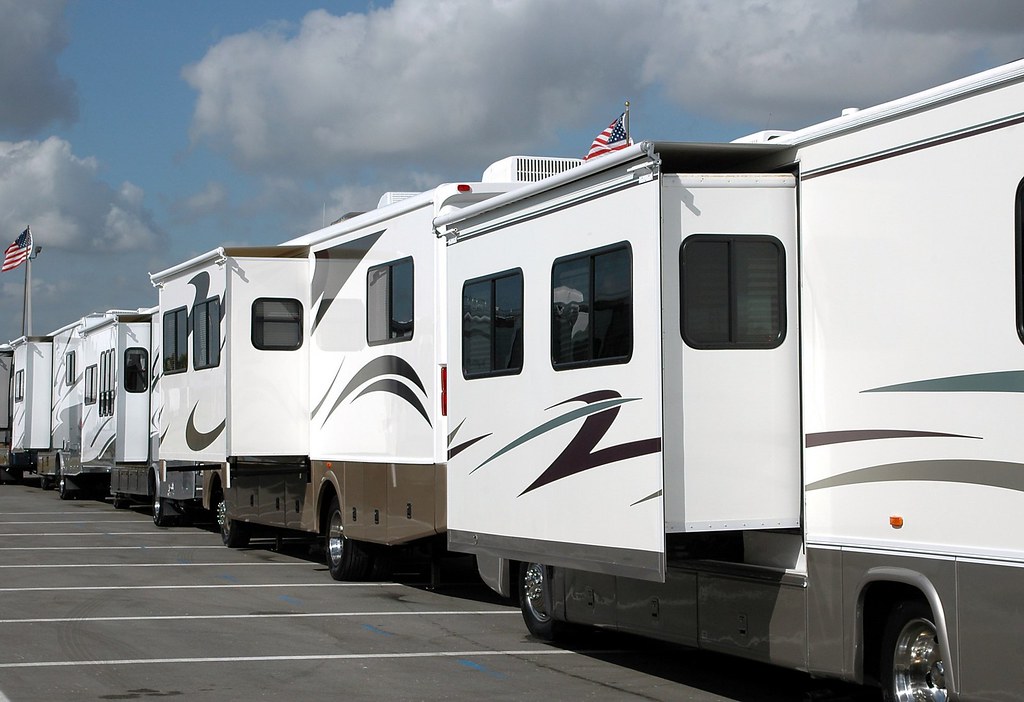
Class A Motorhomes
Class A RVs are the largest and most luxurious recreational vehicles on the market.
They often include:
- Full-size kitchens
- Spacious living rooms
- Large bathrooms
- Multiple sleeping areas
- Washer and dryer hookups
- High-end entertainment systems
Best for:
- Full-time RV living
- Large families
- Long-distance travelers
- Luxury camping
Pros
- Extremely comfortable
- Plenty of storage
- Residential-style amenities
- Great for extended trips
Cons
- Expensive to purchase
- Higher fuel consumption
- Difficult to drive in cities
- Higher maintenance costs
If comfort is your top priority and your budget allows, a Class A motorhome is hard to beat.
Class B Camper Vans
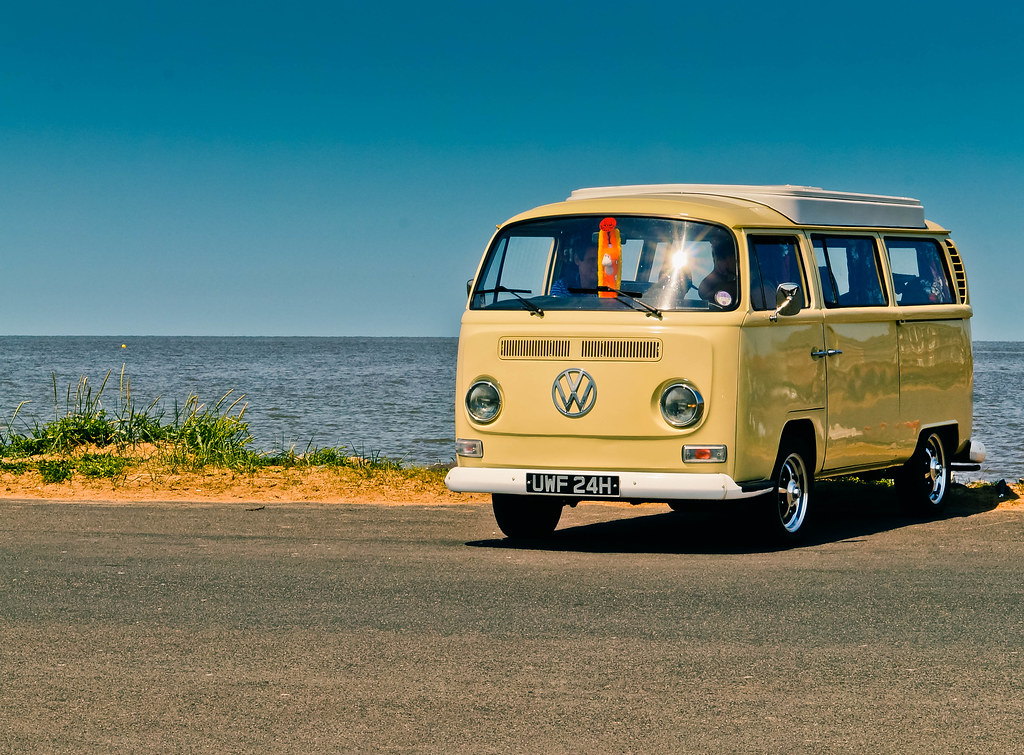
Class B RVs, also known as camper vans, are the smallest motorized RVs.
Built on a standard van chassis, they offer a compact living space without sacrificing essential amenities.
Most include:
- Small kitchenette
- Fold-out bed
- Compact bathroom
- Basic storage
Best for:
- Solo travelers
- Couples
- Weekend adventures
- Road trips
Pros
- Easy to drive
- Better fuel economy
- Fits in most parking spaces
- Simple to maintain
Cons
- Limited living space
- Smaller tanks
- Less storage
- Not ideal for large families
If you enjoy spontaneous road trips and value flexibility, a Class B camper van is an excellent choice.
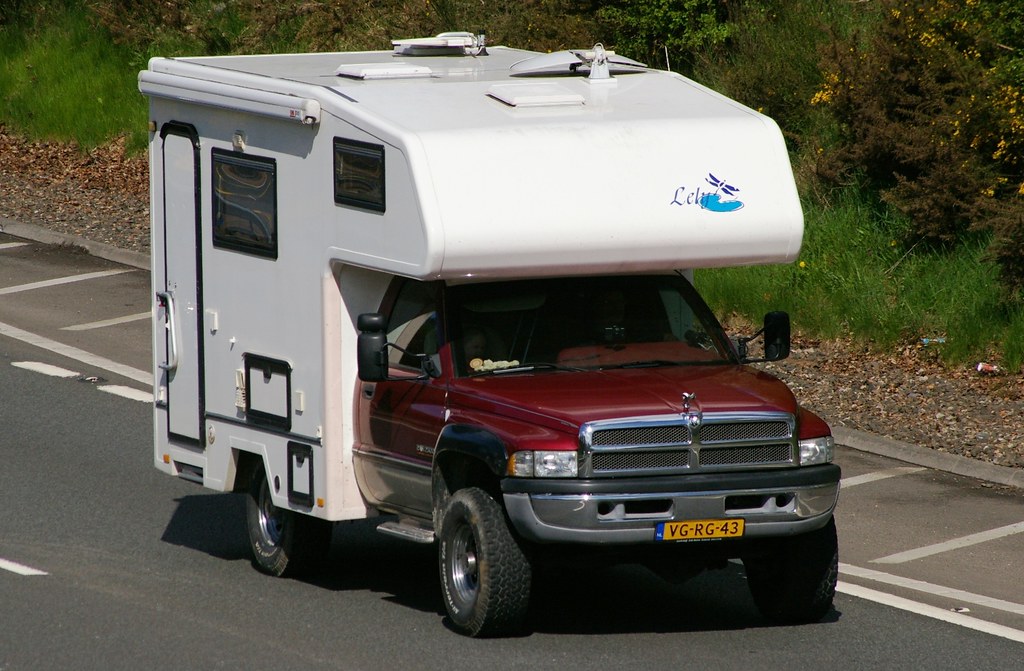
Class C Motorhomes
Class C RVs strike a balance between Class A luxury and Class B convenience.
They’re easy to recognize thanks to the sleeping area above the cab.
Best for:
- Families
- First-time RV owners
- Extended vacations
Pros
- Easier to drive than Class A
- More affordable
- Comfortable sleeping capacity
- Good storage options
Cons
- Less living space than Class A
- Lower fuel economy than Class B
- Can still be challenging to park
Many beginners find Class C RVs to be the perfect middle ground.
Travel Trailers
Travel trailers are among the most popular recreational vehicle types in the US.
They’re available in a wide range of sizes and can be towed by many SUVs and trucks.
Best for:
- Families
- Vacation camping
- Budget-conscious buyers
Pros
- Wide variety of floor plans
- Lower purchase price
- Can unhitch and use your tow vehicle separately
- Easier to upgrade later
Cons
- Requires towing experience
- Backing up takes practice
- Limited mobility while driving
Travel trailers are a great starting point if you already own a capable tow vehicle.
Fifth-Wheel Trailers
Fifth wheels connect to a special hitch installed in the bed of a pickup truck.
They’re larger than most travel trailers and offer impressive living space.
Best for:
- Full-time RVers
- Large families
- Long-term travelers
Pros
- Excellent stability while towing
- Spacious interiors
- High ceilings
- Large storage compartments
Cons
- Requires a heavy-duty pickup
- More expensive than travel trailers
- Larger campsites may be needed
If you plan to spend months on the road, a fifth wheel offers outstanding comfort.
Pop-Up Campers
Pop-up campers are lightweight trailers that expand once parked.
They’re a popular choice for campers who want more comfort than a tent without the cost of a larger RV.
Pros
- Affordable
- Easy to tow
- Compact storage
- Lightweight
Cons
- Limited insulation
- Smaller living space
- Longer setup time
They’re perfect for occasional campers and beginners.
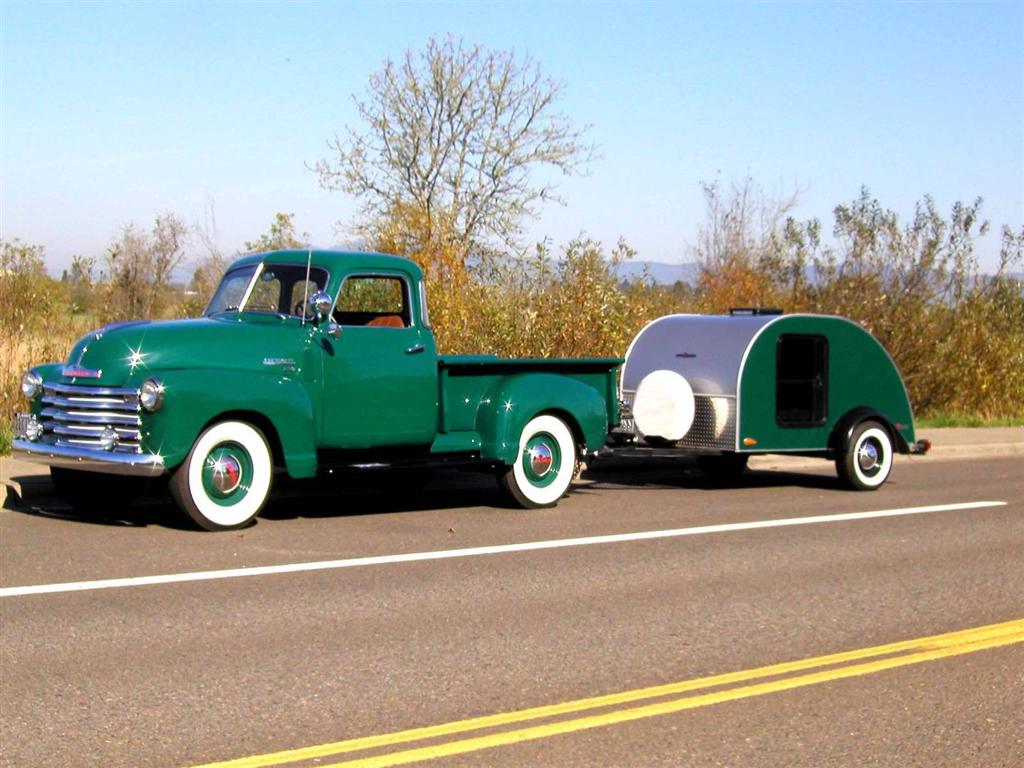
Teardrop Trailers
Teardrop trailers are compact, lightweight campers designed for minimalist travelers.
Most feature:
- Sleeping area
- Rear outdoor kitchen
- Basic storage
These trailers work well for couples who enjoy simple camping adventures.
Toy Haulers
Toy haulers combine living quarters with a garage area for transporting motorcycles, ATVs, bikes, or other outdoor equipment.
They’re ideal for adventure seekers who don’t want to leave their gear behind.
How to Choose the Right Type of RV
Now that you know what type of RVs are there, the next step is finding the one that fits your lifestyle.
Here are a few questions to ask yourself before buying.
How Often Will You Travel?
If you’re planning occasional weekend trips, a travel trailer or Class B camper van may be all you need.
For full-time travel, a Class A or fifth wheel provides more comfort and storage.
Who Will Be Traveling?
Think about your travel companions.
- Solo travelers often prefer Class B vans.
- Couples may enjoy travel trailers or Class C motorhomes.
- Families typically need the extra sleeping space found in Class C, Class A, or fifth-wheel RVs.
What’s Your Budget?
Your budget includes more than the purchase price.
Be sure to consider:
- Insurance
- Fuel
- Campground fees
- Maintenance
- Storage
- Repairs
A smaller RV may save money in the long run.
Do You Already Own a Tow Vehicle?
If you already have a capable truck or SUV, a towable RV could be more cost-effective.
Otherwise, a motorhome may be a simpler solution.
Tips Before Buying an RV
Choosing among the many different type of RVs is easier when you take your time.
Keep these tips in mind:
- Rent an RV before buying one.
- Visit RV dealerships to compare layouts in person.
- Think about where you’ll store the RV.
- Choose a floor plan that fits your lifestyle, not just your current trip.
- Don’t overlook maintenance costs and fuel expenses.
- Buy slightly larger than you think you’ll need—but avoid paying for space you’ll never use.
A little planning now can save you from buyer’s remorse later.
Conclusion
If you’ve been asking yourself, what type of RVs should I buy, the answer ultimately depends on how you plan to travel. From luxurious Class A motorhomes to compact camper vans and versatile travel trailers, today’s recreational vehicle types offer something for nearly every traveler.
Take time to compare the different type of RVs, evaluate your budget, and consider your long-term travel goals. Whether you’re planning weekend escapes or full-time adventures, choosing the right RV will make every journey more enjoyable and help you get the most out of life on the road.