


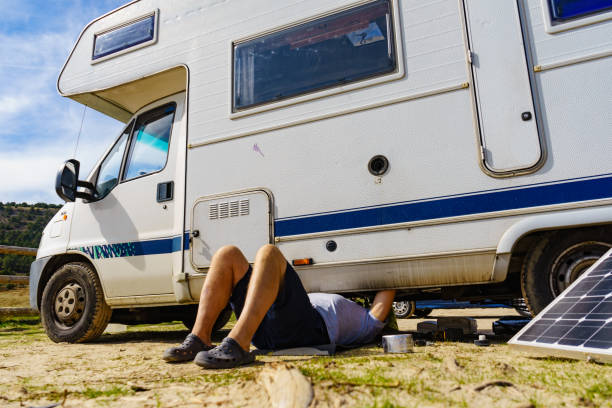
Keeping up with RV maintenance is one of the best ways to enjoy stress-free adventures and avoid expensive repairs. Whether you’re preparing for a weekend getaway or a cross-country trip, a few simple maintenance habits can keep your RV safe, reliable, and ready for the road. In this guide, we’ll cover an essential RV maintenance checklist along with practical tips for caring for your generator, air conditioner, roof, and more.
Why RV Maintenance Matters
Unlike a regular vehicle, an RV combines automotive systems with many of the features found in a home. You’re maintaining an engine, electrical system, plumbing, appliances, roof, HVAC system, and more—all in one package.
Routine maintenance helps you:
- Reduce the risk of expensive repairs
- Improve safety while traveling
- Extend the life of your RV
- Maintain resale value
- Enjoy worry-free road trips
The good news is that many maintenance tasks are simple enough for most owners to handle themselves.
Your Essential RV Maintenance Checklist
A consistent RV maintenance checklist helps you catch small problems before they become major issues. Divide your inspections into three categories: before every trip, seasonally, and annually.
Before Every Trip
Spend a few minutes checking these essentials before leaving home:
- Inspect tire pressure and tread wear
- Test headlights, brake lights, and turn signals
- Check engine oil, coolant, and other fluids (for motorhomes)
- Verify propane levels
- Inspect batteries and battery connections
- Test smoke, carbon monoxide, and propane detectors
- Ensure all appliances are working properly
- Confirm slide-outs and awnings operate smoothly
A quick inspection can prevent roadside surprises.
Seasonal Maintenance
At the beginning and end of each camping season, inspect:
- Roof seals and exterior caulking
- Water lines for leaks
- Air conditioner filters
- Water heater
- Sewer hoses and fittings
- Window and door seals
- Suspension and brakes
- Exterior wash and wax
Seasonal care helps protect your RV from weather-related wear.
Annual Maintenance
At least once a year, schedule or perform more thorough inspections:
- Replace engine oil and filters (motorhomes)
- Flush and sanitize the fresh water system
- Service wheel bearings (for many towable RVs)
- Inspect brake components
- Check suspension parts
- Test all safety devices
- Lubricate hinges, locks, and moving parts
- Inspect the electrical system
Following a yearly schedule keeps everything running efficiently.
RV Generator Maintenance: Keep the Power Flowing
Your generator is one of the hardest-working components in your RV, especially if you enjoy dry camping or boondocking. Proper RV generator maintenance helps ensure reliable power whenever shore power isn’t available.
Exercise the Generator Regularly
One of the biggest mistakes owners make is letting the generator sit unused for months.
Run it for about 30 minutes each month under a moderate electrical load. This helps lubricate internal components and prevents fuel-related issues.
Change Oil and Filters
Generator manufacturers typically recommend oil changes based on operating hours rather than mileage.
Always follow the service intervals listed in your owner’s manual, and don’t forget to replace the air and fuel filters when recommended.
Inspect Fuel and Electrical Connections
Check for:
- Fuel leaks
- Loose wiring
- Dirty terminals
- Damaged hoses
Catching these issues early helps prevent unexpected generator failures.
RV Air Conditioner Maintenance for Better Cooling
Nothing ruins a summer camping trip faster than an air conditioner that won’t keep up. Fortunately, regular RV air conditioner maintenance is fairly straightforward.
Clean or Replace Air Filters
Dirty filters restrict airflow, making the system work harder while reducing cooling performance.
Inspect the filters monthly during heavy use and clean or replace them as needed.
Clean the Condenser Coils
Dust, leaves, and debris can build up on the rooftop unit.
Turn off the power before carefully removing debris and cleaning the coils according to the manufacturer’s recommendations.
Check Airflow
Make sure vents aren’t blocked by furniture or storage items.
If cooling performance suddenly drops, inspect the ductwork and thermostat before assuming the air conditioner needs repairs.
RV Roof Maintenance: Protect Your Biggest Investment
When it comes to preventing water damage, RV roof maintenance should never be overlooked. Even a tiny leak can lead to expensive repairs if left untreated.
Inspect the Roof Regularly
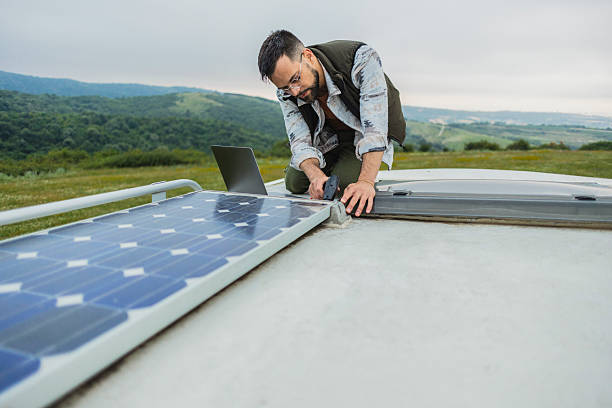
Walk the roof carefully (if your RV is designed for it) and look for:
- Cracked sealant
- Loose seams
- Soft spots
- Tears or punctures
- Damaged roof vents
Many experienced RV owners inspect their roofs every few months, especially before and after long trips.
Reseal When Necessary
Roof sealants naturally deteriorate over time due to sunlight and changing weather.
If you notice cracked or peeling sealant around vents, skylights, antennas, or roof edges, reseal those areas promptly using products recommended for your roof material.
Keep the Roof Clean
Leaves, branches, and standing water can shorten the life of your roof.
Wash it regularly using cleaners approved for your roof type, whether it’s rubber, fiberglass, or another material.
RV Maintenance Tips and Tricks Every Owner Should Know
Experienced RV owners often rely on a few simple habits that save time and money.
Don’t Ignore Small Problems
A tiny leak today could become extensive water damage next month.
If something seems unusual—whether it’s a strange noise, soft flooring, or a dripping faucet—investigate it right away.
Keep a Maintenance Log
Record:
- Oil changes
- Tire replacements
- Roof inspections
- Generator service
- Appliance repairs
A maintenance log makes it easier to stay on schedule and can increase your RV’s resale value.
Lubricate Moving Parts
Regularly lubricate:
- Entry steps
- Slide-out mechanisms
- Door hinges
- Locks
- Stabilizer jacks
Proper lubrication reduces wear and helps prevent components from sticking.
Watch Your Tires
Tires often age out before they wear out.
Check tire pressure before every trip, inspect for cracks or uneven wear, and replace aging tires even if the tread still looks good.
Winterize Properly
If you store your RV in freezing temperatures, winterizing is one of the most important maintenance tasks.
Drain water lines, bypass the water heater if required, and use RV antifreeze to protect the plumbing system from freeze damage.
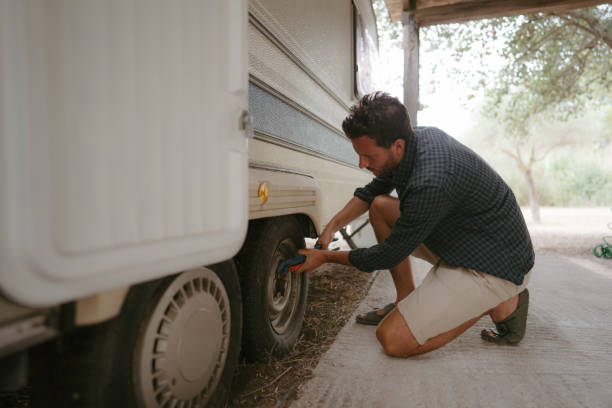
Common RV Maintenance Mistakes to Avoid
Even experienced owners can overlook important tasks. Avoid these common mistakes:
- Skipping roof inspections
- Forgetting generator service
- Ignoring tire pressure
- Delaying sealant repairs
- Running appliances with clogged filters
- Leaving the battery unmaintained during storage
- Waiting until something breaks before performing maintenance
Being proactive almost always costs less than dealing with major repairs later.
Conclusion
Consistent RV maintenance is one of the best investments you can make as an RV owner. By following a reliable RV maintenance checklist, staying on top of RV generator maintenance, performing regular RV air conditioner maintenance, and prioritizing RV roof maintenance, you’ll enjoy safer travels and fewer unexpected repair bills.
The best part is that many of these tasks require only a little time and basic tools. Add these RV maintenance tips and tricks to your routine, and your RV will be ready for countless adventures in the years ahead.