


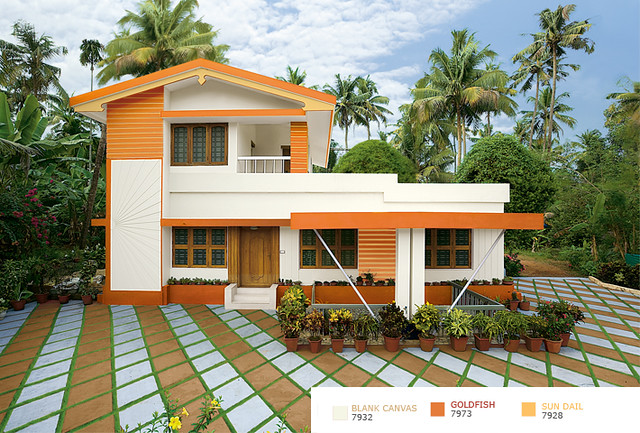
Choosing an exterior paint color can feel overwhelming when there are hundreds of shades to consider. The good news is that you don’t have to rely on guesswork. Once you understand what works with your home’s style, surroundings, and fixed features, how to choose a paint color becomes much simpler. Here are practical tips to help you find a color you’ll love for years to come.
Start with Your Home’s Architectural Style
Not every paint color suits every type of home. A modern farmhouse, for example, often looks great in crisp white with black accents, while a Victorian home can handle richer colors and decorative trim.
Think about the overall style of your house before narrowing down your options.
Here are a few examples:
- Modern homes: White, charcoal, black, or warm gray.
- Craftsman homes: Earthy greens, browns, and muted blues.
- Colonial homes: Classic white, navy, beige, or brick red.
- Coastal homes: Soft blues, sandy beige, and light gray.
Matching the paint to your home’s architecture creates a timeless look instead of one that quickly feels outdated.
Consider Permanent Exterior Features
Before picking a paint color, look at the parts of your home that won’t be changing anytime soon.
These may include:
- Brick
- Stone veneer
- Roof shingles
- Driveway materials
- Walkways
- Gutters
Your paint color should complement these fixed elements rather than compete with them. For example, a home with warm-toned brick often pairs better with creamy whites or taupe than cool gray paint.
Pay Attention to Natural Light
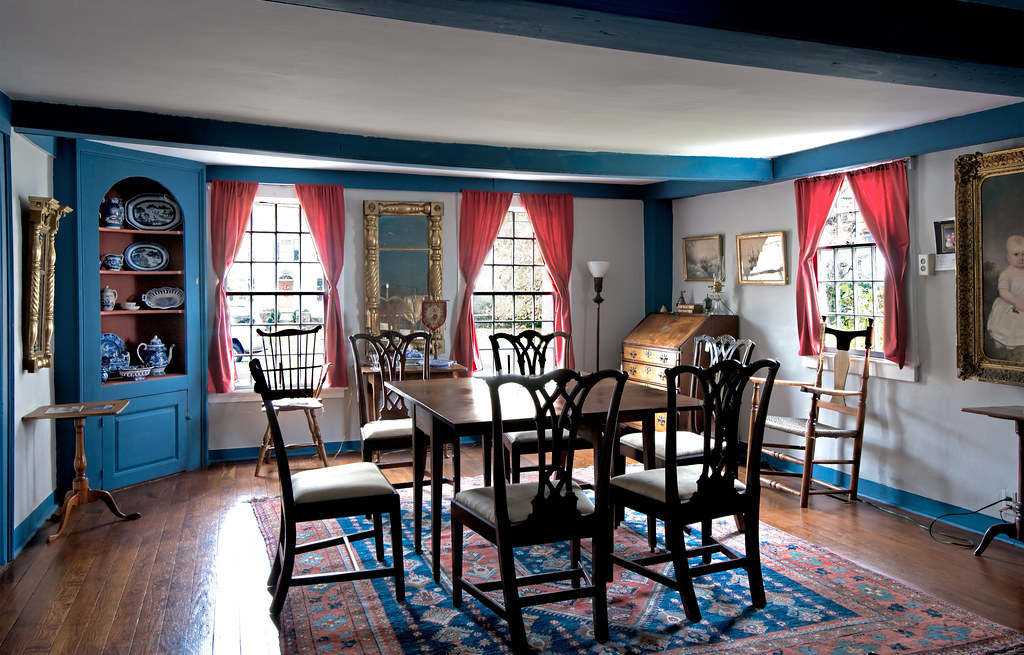
Exterior paint rarely looks the same outside as it does on a paint chip.
Sunlight, shade, and even the direction your home faces can change how a color appears throughout the day.
For example:
- South-facing homes receive strong sunlight, making colors appear lighter.
- North-facing homes often make paint look cooler and darker.
- Trees and landscaping may cast green or blue reflections onto exterior walls.
Always test paint samples on different sides of your home before making a final decision.
Look at the Neighborhood for Inspiration
Your home should reflect your personal style, but it should also fit naturally within the neighborhood.
Take a walk around your area and notice:
- Popular exterior color combinations
- Trim colors
- Front door colors
- Roof styles
You don’t have to copy your neighbors, but choosing colors that complement nearby homes can improve curb appeal and even increase resale value.
Choose a Color Palette, Not Just One Color
An attractive exterior usually combines several colors instead of relying on one shade.
Most homes include:
- Main siding color
- Trim color
- Front door color
- Shutter color (if applicable)
- Garage door color
Keeping the palette simple helps create a clean, cohesive appearance.
A common approach is using three colors:
- One dominant color
- One contrasting trim color
- One accent color for the front door
Think Carefully About Your Front Door
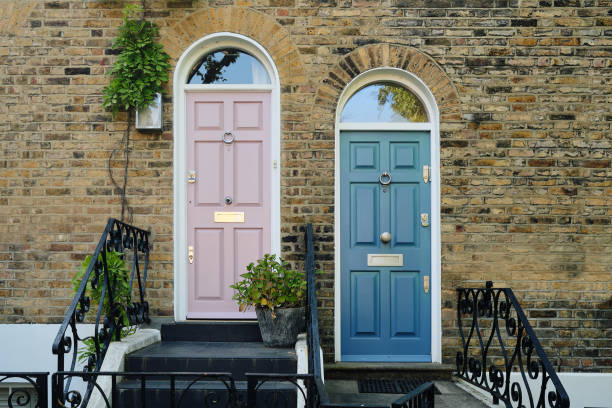
If you’re wondering how to pick a front door color, start by considering the overall mood you want your home to convey.
Popular front door colors include:
- Black for a timeless, elegant look.
- Navy blue for classic curb appeal.
- Deep red for warmth and character.
- Forest green for traditional homes.
- Bright yellow for a cheerful, modern statement.
Your front door is often the first feature visitors notice, making it a great place to introduce a little personality without overwhelming the exterior.
Test Paint Samples Before Committing
Paint can look completely different on your home than it does in the store.
Buy sample cans and paint large sections on multiple exterior walls.
Observe them:
- In the morning
- During midday
- At sunset
- On both sunny and cloudy days
This simple step can prevent expensive mistakes later.
Consider Your Climate
Climate plays a bigger role than many homeowners realize.
In warmer regions, lighter colors reflect more sunlight and help reduce heat absorption.
In colder climates, darker colors may provide a cozier appearance, although they tend to fade more quickly under intense sun exposure.
Weather conditions should also influence the type of exterior paint you choose, not just the color.
Don’t Forget About Paint Finish
Color gets most of the attention, but the finish matters too.
Common exterior finishes include:
- Flat: Hides imperfections but can be harder to clean.
- Satin: A popular balance of durability and appearance.
- Semi-gloss: Often used on trim, doors, and shutters because it’s easier to clean.
Using different finishes for siding and trim adds subtle depth to your home’s exterior.
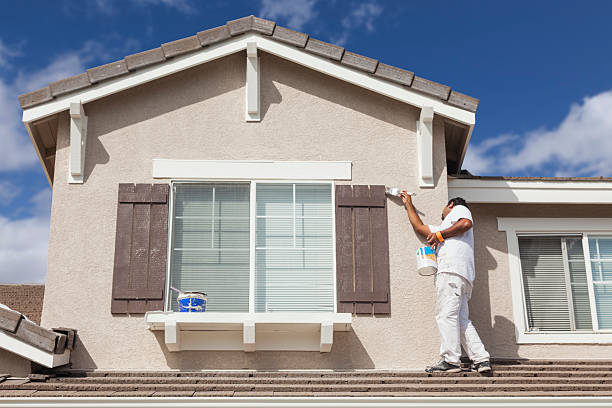
Balance Trends with Timeless Appeal
Trendy colors can be exciting, but they don’t always age well.
If you’re planning to stay in your home for many years—or you’re thinking about resale—it’s often better to choose classic neutral colors and incorporate trends through smaller accents like the front door, outdoor furniture, or planters.
This approach gives you flexibility without committing your entire exterior to a passing design trend.
FAQs
How do I choose a paint color if I’m between two shades?
If you’re debating between two similar colors, many designers recommend choosing the slightly lighter option. Exterior paint generally appears darker once it’s applied across the entire house.
How to choose paint colors for your home if you plan to sell?
Neutral shades like white, light gray, greige, and soft beige tend to appeal to the widest range of buyers. These colors create a clean, well-maintained appearance and complement a variety of architectural styles.
Should the garage door match the house or the front door?
In most cases, the garage door looks best when it matches the main siding color or trim. Saving your bold accent color for the front door helps it stand out as the focal point.